
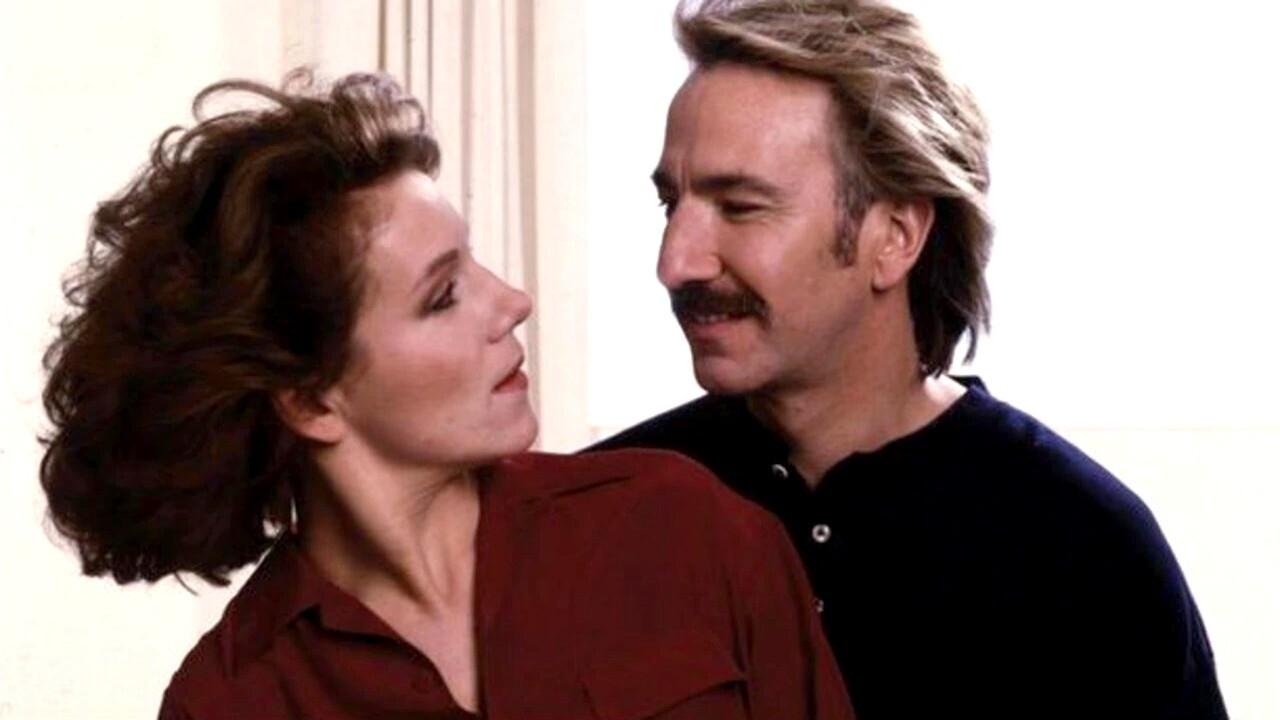
Truly Madly Deeply
Nina is totally heartbroken at the death of her boyfriend Jamie, but is even more unprepared for his return as a ghost. At first it's almost as good as it used to be – hey, even the rats that infested her house have disappeared. But Jamie…
CinebyTV
85 films and 75 series in English, 1950 to 2021, chosen for the whole household.
Top rated this week
TOP 10
FilmsToday
- 1
- 2
- 3
- 4
- 5
- 6
- 7
- 8
- 9
- 10
Sitcoms


Period drama
TOP 10
SeriesToday
- 1
- 2
- 3
- 4
- 5
- 6
- 7
- 8
- 9
- 10
Family


Music and dance


THE GUIDE
CinebyTV: films and series worth finding, from Truly Madly Deeply, The Phil Silvers Show and Middlemarch to Emmet Otter's Jug-Band Christmas, Press Gang and Bound for Glory
Some of the best things ever made for the screen sit a little way off the front page. A sitcom that American comedians still study, filmed in 1955. A six-part serial of a Victorian novel that sent a whole country back to the bookshop. A small British film about love and loss that actors speak of with awe. A Christmas special with otters that Jim Henson counted among his proudest hours. CinebyTV is a guide to 160 such titles in English: 85 films made between 1970 and 1999 and 75 series first shown between 1950 and 2021. Each has its own page, its story, its cast, and a Watch now button that leads to the official services carrying it in your country.
The catalogue has been chosen for the whole household. Every title was read through by hand, and the selection favours comedy, family stories, literary drama, music and gentle romance. Stand-up specials, concert films, crime series, horror, westerns and titles made strictly for adults were left out. What remains is good company: a sergeant running the motor pool as a private enterprise, a wizard from the eleventh century baffled by the electric light, a newsroom staffed entirely by schoolchildren, and a chiropodist with a secret pig.
This guide explains how the catalogue is arranged, which titles make the best first evening, and how the lists, the search field and My List work together. Every title it names is a link to that title's page.
What CinebyTV offers
CinebyTV is a viewing guide. Each of its 160 pages carries a poster, a still where one exists, the story in a paragraph, the year, the running time or the count of seasons and episodes, and the principal cast. Beneath them sits one button, Watch now, which opens JustWatch for the country you select and shows the subscription, rental, purchase and free services that carry the title there. The guide itself holds pages of information, and the playing of every film and episode happens on those official services.
The two halves of the catalogue are deliberately different. The films come from three decades, the seventies, eighties and nineties, and lean towards the personal and the well-acted: Neil Simon comedies, Bill Forsyth's Scottish whimsy, biographies of singers and runners, television films with James Garner and Julie Andrews. The series stretch across seventy years, from the live comedy of the early fifties to an Australian family drama of the 2000s, with British situation comedy and the classic serial especially well represented. Sixty-one of the 160 titles were made in the United Kingdom.
By kind, 101 titles are comedies or carry comedy within them, ninety are dramas, thirty-three are romances, thirty-nine suit family viewing, twenty-three are period dramas and twenty-one concern music or dance. Forty-nine of the series are sitcoms, and thirty-four series were first shown before 1980 and form the classic television list.
The home page follows the plan of a streaming index. At the top stands a featured title with its still, rating and year. Beneath it come rows of posters, each ringed in yellow as the pointer passes: the top rated titles, sitcoms, period drama, family, and music and dance. Between them sit two Top 10 strips, one for films and one for series, with large outlined numerals beside each poster.
A first evening
For a first evening, three titles recommend themselves. The film is Truly Madly Deeply, written and directed by Anthony Minghella in 1991 as his first feature. Nina, played by Juliet Stevenson, is a translator in north London whose partner Jamie, a cellist played by Alan Rickman, has died; her flat has rats, her friends are kind, and she misses him beyond bearing. Then one evening, as she plays the piano, his cello joins in. Jamie is back, cold-natured as ever, turning up the heating and inviting friends round to watch videos, and Nina must work out what she wants from the living. It is funny, musical and deeply felt, and it made both its stars.
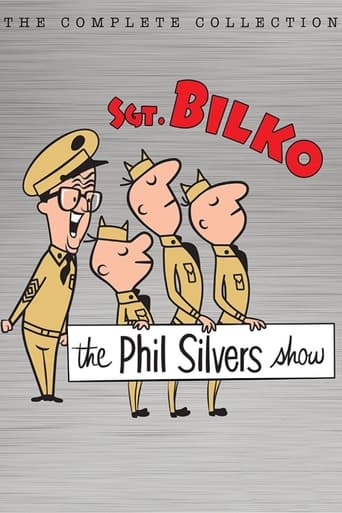
The comedy series is The Phil Silvers Show, which ran from 1955 to 1959 and won the Emmy for best comedy series three years running. Master Sergeant Ernest G. Bilko commands the motor pool at Fort Baxter, Kansas, a peacetime army post where there is little to do, and devotes his considerable intelligence to schemes for parting his colleagues from their pay. Nat Hiken's scripts move at tremendous speed, the platoon is a gallery of wonderful faces, and Silvers, with his glasses and his instant sincerity, is a marvel. Four seasons and 144 episodes are listed.
The series for the family is Press Gang, made for British children's television from 1989 and written throughout by Steven Moffat, later the head writer of Doctor Who and Sherlock. A local newspaper sets up a junior edition run by pupils from the nearby comprehensive, under the formidable teenage editor Lynda Day, played by Julia Sawalha, with Dexter Fletcher as the American troublemaker Spike assigned to the paper as an alternative to detention. The dialogue crackles, the stories are treated with real seriousness, and adults have always watched it alongside their children.
Any one of the three shows what the catalogue is for. Each also leads onward: Minghella's film to Housekeeping and Comfort and Joy, Bilko to his creator's next series, Car 54, Where Are You?, and Press Gang to Catweazle and The Tomorrow People.
American comedy from the fifties to the seventies
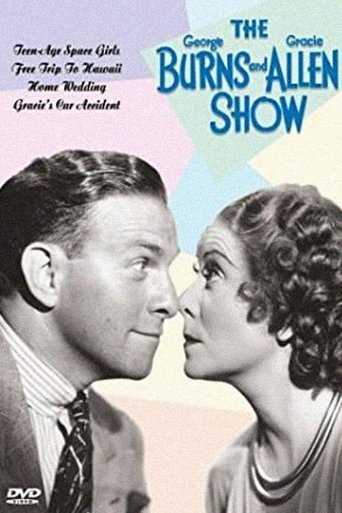
The sitcoms guide begins with the pioneers. The Jack Benny Program moved from radio to television in 1950 and stayed for fifteen seasons. Benny played a vain, thrifty version of himself, forever thirty-nine years old and forever at odds with his valet Rochester, played by Eddie Anderson, his announcer Don Wilson and his violin. His timing, and above all his long silent stare at the audience, taught a generation of comedians how to wait for a laugh. The George Burns and Gracie Allen Show began the same year: Gracie's logic follows its own serene path, and George steps out of the scene to discuss the plot with the audience, sometimes after watching the next part of it on his own television set.
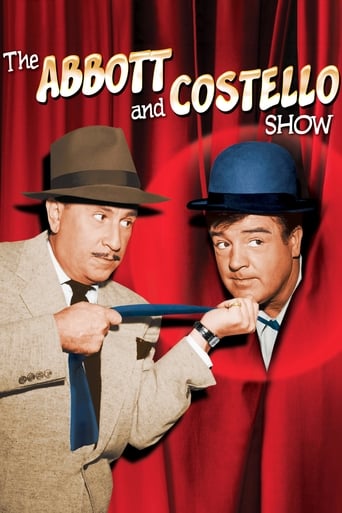
The Abbott and Costello Show, from 1952, preserves the classic burlesque routines of the film team in two seasons of half-hours set around a boarding house, and comedians as different as Jerry Seinfeld have named it as an influence. The Lucy–Desi Comedy Hour, from 1957, continues the story of the Ricardos and the Mertzes in thirteen hour-long specials after the weekly series ended, with guest stars joining their travels.
Nat Hiken followed Bilko with Car 54, Where Are You? in 1961, set in a police precinct in the Bronx where the squad car is shared by the tall, quiet Francis Muldoon, played by Fred Gwynne, and the short, excitable Gunther Toody, played by Joe E. Ross. Its theme song is still sung. Mr. Terrific, from 1967, is a pleasant oddity: a mild petrol-station attendant is the only person on whom a government power pill works, for one hour at a time. Here Come the Brides, from 1968, sends a hundred young women from Massachusetts to the logging town of Seattle in the 1860s, and mixes comedy, songs and frontier romance.
From the seventies come Phyllis, in which Cloris Leachman's character from The Mary Tyler Moore Show moves to San Francisco and takes her first job; Paper Moon, the television version of the film, with the young Jodie Foster as Addie; Anna and the King, with Yul Brynner returning to the part he made famous; and Quark, Buck Henry's spoof of space adventure, in which Richard Benjamin commands an interplanetary refuse-collection ship. The Paper Chase, from 1978, is drama of a high order: John Houseman repeats his Academy Award-winning performance as Professor Kingsfield, who teaches contract law to first-year students by taking their minds apart and putting them back together.
American series of the eighties, nineties and after
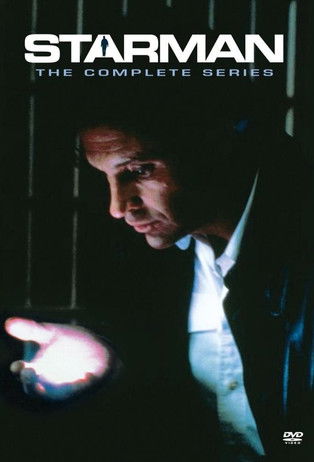
Starman, from 1986, continues the John Carpenter film: the visitor returns to Earth in a new body, played by Robert Hays, and travels the country with the teenage son he has only just met, searching for the boy's mother. Sisters, from 1991, follows four very different sisters in Illinois through six seasons of marriages, careers and reconciliations, with Swoosie Kurtz and Sela Ward; it was among the first network dramas written chiefly from a woman's point of view. Roc, from the same year, stars Charles S. Dutton as a Baltimore refuse collector and proud head of his household; its cast came largely from the stage, and its second season was broadcast live every week, a feat unmatched in its time.
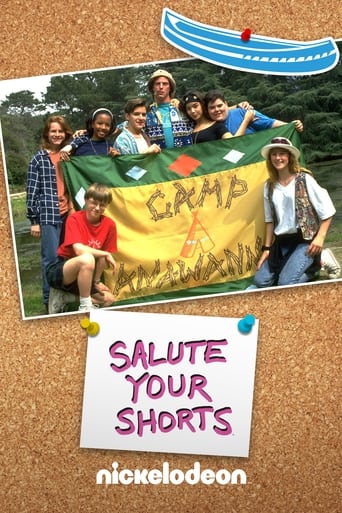
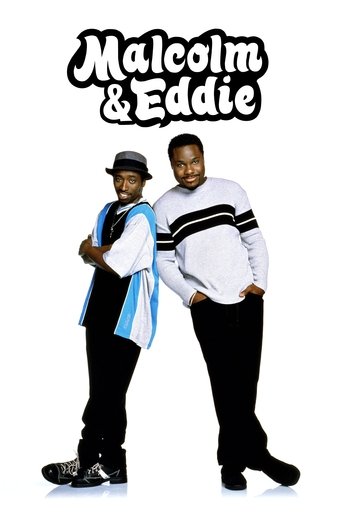
Bob, from 1992, gives Bob Newhart a third series, as a greetings-card artist whose comic-book hero of the fifties is revived by a brash young partner. Ned & Stacey, from 1995, pairs Thomas Haden Church and Debra Messing as two New Yorkers who marry purely for convenience, he for a promotion and she for his flat. Boston Common, Malcolm & Eddie, Hang Time and Salute Your Shorts, the last set at a summer camp, belong to the same cheerful decade, and Kids Incorporated ran for nine seasons with a young cast that sang the hits of the day.
Cupid, from 1998, is a much-loved single season by Rob Thomas: Jeremy Piven plays a man who says he is the god of love, sent to Chicago to unite a hundred couples, and Paula Marshall plays the psychologist who has to decide what to make of him. Jack & Bobby, from 2004, tells of two brothers in Missouri, one of whom will grow up to be president, with Christine Lahti as their mother. Love Monkey stars Tom Cavanagh as a record-company scout in New York; Out of Practice sets one counsellor among a family of doctors; Good Morning, Miami, Raising Dad and Eve are easygoing comedies of the early 2000s. Strong Medicine ran six seasons in a women's clinic in Philadelphia, and Doc brings a country doctor from Montana, played by Billy Ray Cyrus, to a New York practice. Oldest of all, Hallmark Hall of Fame has been presenting single plays and films since 1951.
British comedy
Sixty-one titles come from the United Kingdom, and the British guide gives a route through them. Situation comedy on British television starts with Hancock's Half Hour, which Ray Galton and Alan Simpson wrote for Tony Hancock on radio from 1954 and on television from 1956. Anthony Aloysius St John Hancock, of 23 Railway Cuttings, East Cheam, is a man of large opinions and small means, sure that the world is failing to recognise his gifts. Episodes such as The Blood Donor and The Radio Ham are part of the national memory.
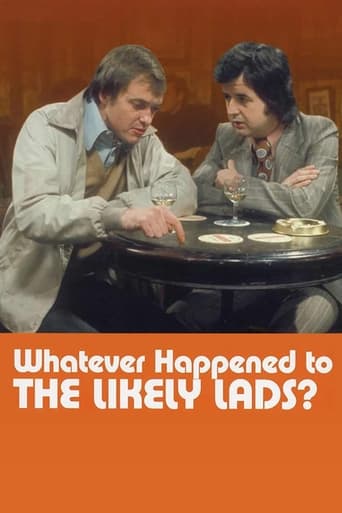
The Likely Lads, from 1964, written by Dick Clement and Ian La Frenais, follows two young factory workers in the north-east of England, the thoughtful Bob and the cynical Terry, played by Rodney Bewes and James Bolam. Its sequel of 1973, Whatever Happened to the Likely Lads?, is finer still: Terry comes home after five years in the army to find that Bob has a fiancée, a mortgage and a new house on an estate, and the comedy becomes a study of friendship, class and time passing. Both series are on CinebyTV.
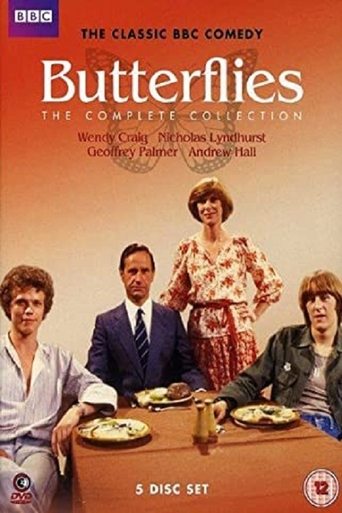
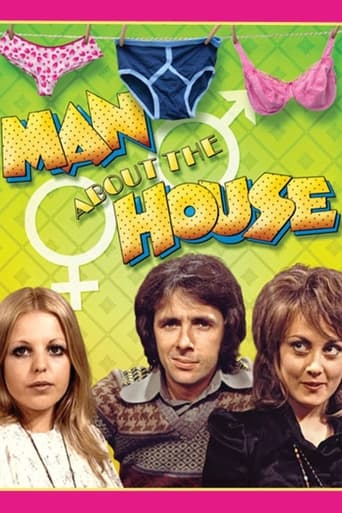
The seventies were the great decade. Please Sir! sets a newly qualified teacher, played by John Alderton, before the unruly class 5C. Bless This House gives Sid James a suburban family that keeps him guessing. Man About the House, from 1973, has a catering student sharing a flat with two young women above their landlords, George and Mildred Roper, who went on to a series and to the film George & Mildred. Citizen Smith, John Sullivan's first series, stars Robert Lindsay as Wolfie Smith, self-appointed leader of the Tooting Popular Front, whose revolution is always scheduled for next week. Carla Lane's Butterflies, from 1978, is gentler and wiser: Wendy Craig plays Ria, a housewife who cooks badly, loves her dentist husband and her two idle sons, and wonders in the park whether life has more in it.
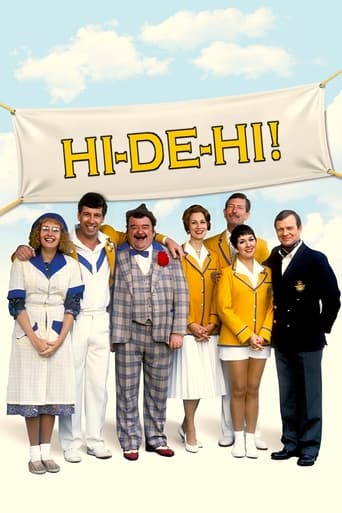
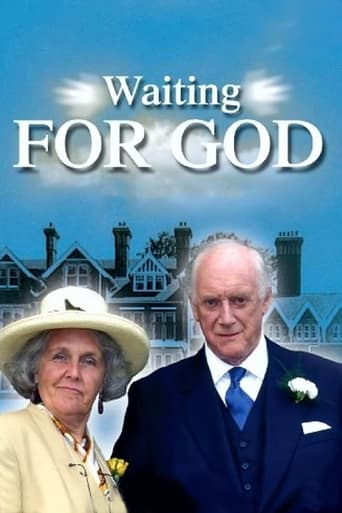
Shelley, from 1979, has a hero with a doctorate in geography and a firm disinclination to work. Hi-de-Hi!, which ran for nine seasons from 1980, is set in a holiday camp in 1959, with Ruth Madoc at the xylophone and Su Pollard as the chalet maid who dreams of a yellow coat. Duty Free strands two couples at the same Spanish hotel. Desmond's, from 1989, is set in a barber's shop in Peckham run by Desmond Ambrose and his family, and was the longest-running sitcom Channel 4 had made. Waiting for God, from 1990, takes place at the Bayview retirement home, where the fearless Diana and the dreamy Tom, played by Stephanie Cole and Graham Crowden, run rings round the management. The Grimleys, set in the West Midlands of 1975 with Noddy Holder of Slade as the music teacher, rounds off the century.
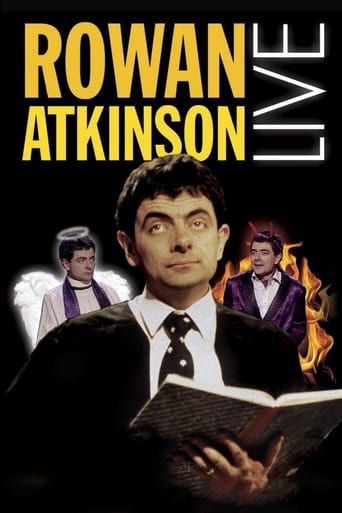
The comedy films are just as varied. A Private Function, written by Alan Bennett in 1984, is set in a Yorkshire town in 1947, when meat is rationed and the local worthies are secretly fattening a pig for a banquet in honour of the royal wedding; Michael Palin's timid chiropodist and his ambitious wife, played by Maggie Smith, take the animal home. Mike Leigh's Nuts in May, from 1976, follows Keith and Candice-Marie, earnest campers with a guitar and a strict timetable, to a Dorset campsite. Eric Sykes's The Plank is a nearly wordless comedy about two builders and a length of floorboard. Blackadder's Christmas Carol turns Dickens inside out, with Rowan Atkinson as the kindest man in England learning the advantages of the opposite, and Atkinson appears again in Rowan Atkinson Live and two short Mr. Bean sketches. Kenneth Branagh's In the Bleak Midwinter, from 1995, watches a company of hard-up actors stage Hamlet in a village church at Christmas. And Bernard and the Genie, written by Richard Curtis, gives a sacked art dealer, played by Alan Cumming, a genie played by Lenny Henry.
British drama
Alan Plater's The Beiderbecke Affair, from 1985, is a comedy-drama quite unlike any other: two schoolteachers in Leeds, a jazz-loving woodwork master and a campaigning English mistress, played by James Bolam and Barbara Flynn, order some records from a door-to-door saleswoman and stumble into a tangle of council business, all to a jazz score. Shine on Harvey Moon, from 1982, brings an RAF clerk home to Hackney in 1945 to find his house gone and his family changed. Fat Friends, Kay Mellor's series from 2000, follows the members of a slimming club in Leeds, and introduced Ruth Jones and James Corden. Monroe stars James Nesbitt as a brilliant and talkative neurosurgeon. Bill Forsyth's Comfort and Joy, from 1984, is the catalogue's Scottish gem: a Glasgow radio presenter, low after his girlfriend leaves, finds himself mediating between two rival families of ice-cream sellers.
Period drama and the classic serial
Twenty-three titles wear costume, and the period drama guide sorts them. The classic serial, a novel told in weekly parts, is one of television's great inventions, and its landmark is The Forsyte Saga, made by the BBC in 1967. Across twenty-six episodes it follows John Galsworthy's family of prosperous Londoners from the 1870s to the 1920s, with Eric Porter as Soames, the man of property, and Nyree Dawn Porter as Irene. Churches moved their evening services so that congregations could be home in time, and the serial was sold around the world.
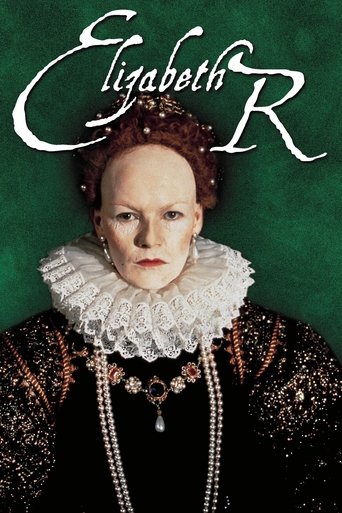
The BBC followed it with two serials about the Tudors that set a standard for historical drama. The Six Wives of Henry VIII, from 1970, gives each queen a ninety-minute play of her own, with Keith Michell ageing across the six from athletic prince to ailing king. Elizabeth R, from 1971, stars Glenda Jackson as Elizabeth I from young princess to old queen in six plays; Jackson shaved her hairline for the part, and the serial won five Emmy awards in the United States.
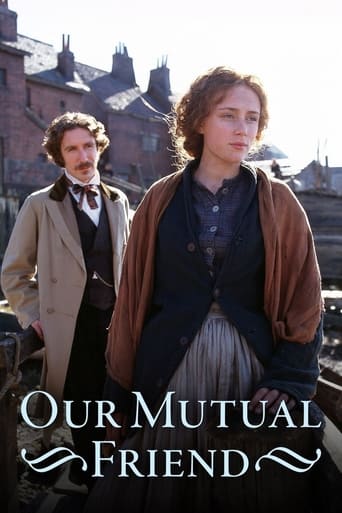
The nineties brought a second golden age. Middlemarch, adapted by Andrew Davies in 1994, tells George Eliot's story of Dorothea Brooke, who longs to do some good in the world and marries a dry scholar in the belief that she can help with his great work, and of the young doctor Lydgate, whose ideals meet a provincial town. Juliet Aubrey and Rufus Sewell lead a superb cast, and the novel returned to the bestseller lists. Davies also adapted Vanity Fair in 1998, with Natasha Little as the irrepressible Becky Sharp, and Anthony Trollope's He Knew He Was Right in 2004. Our Mutual Friend, from 1998, is perhaps the finest Dickens the BBC has made: a fortune made from London's dust heaps, a body in the Thames, and four lovers finding one another, with Anna Friel, Keeley Hawes, Steven Mackintosh and David Morrissey.
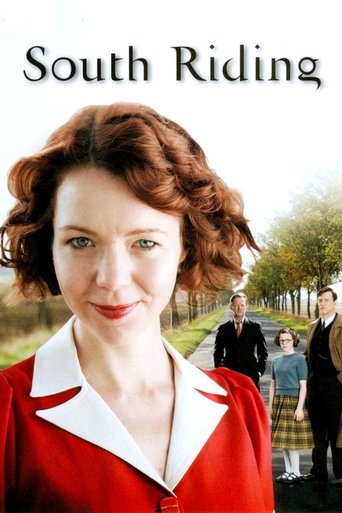
Poldark, the first version from 1975, sends Robin Ellis's Ross Poldark home to Cornwall from the American colonies to find his father gone and his mine idle; it was a worldwide favourite long before the remake. The Duchess of Duke Street, from 1976, is based on the life of Rosa Lewis, a kitchen maid who became the finest cook in Edwardian London and owner of a celebrated hotel, with Gemma Jones. South Riding, from 2011, has Anna Maxwell Martin as a forward-looking headmistress arriving in Yorkshire in the 1930s. Stephen Poliakoff's The Lost Prince, from 2003, tells the true story of Prince John, youngest son of George V, who lived apart from the court, and sees the great events of the age through a child's eyes; it won three Emmy awards.
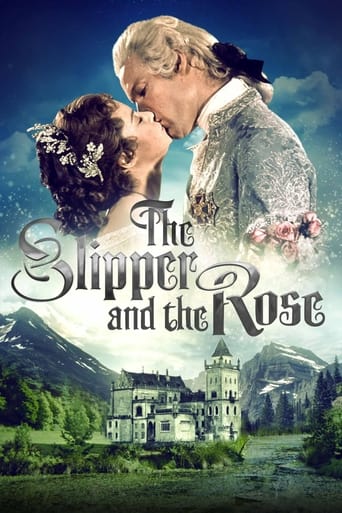
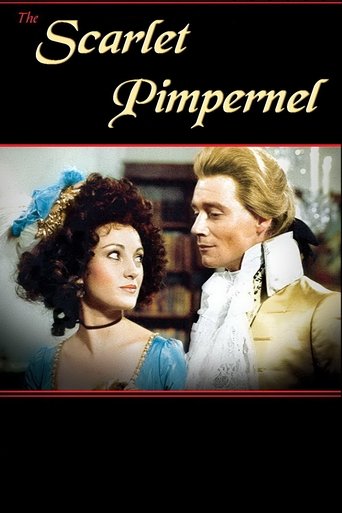
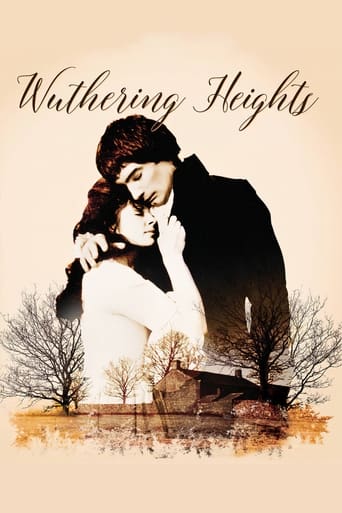
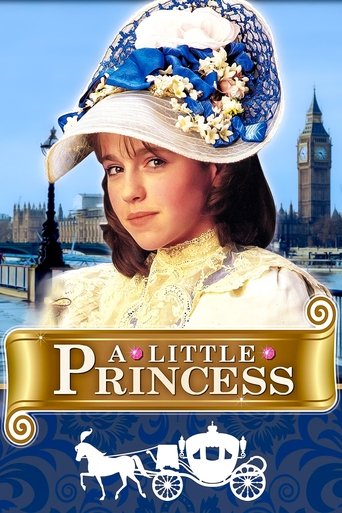
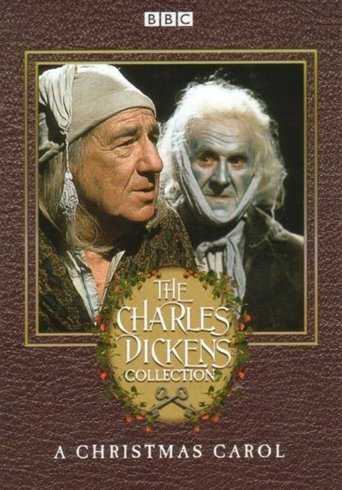
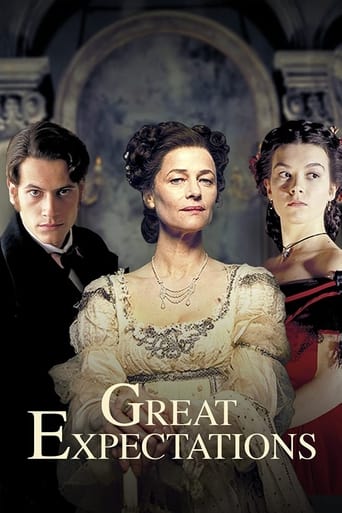
For younger viewers there are A Little Princess, the 1987 serial of Frances Hodgson Burnett's story of Sara Crewe at Miss Minchin's school, and Kidnapped, a 1979 serial of Robert Louis Stevenson with David McCallum as Alan Breck. Among the films, Great Expectations, from 1999, has Ioan Gruffudd as Pip and Charlotte Rampling as Miss Havisham; Tess of the D'Urbervilles stars Justine Waddell; Adam Bede brings George Eliot's first novel to the screen; and the 1970 Wuthering Heights has the young Timothy Dalton as Heathcliff. The Scarlet Pimpernel, from 1982, is the most enjoyable version of the tale, with Anthony Andrews as the foppish Sir Percy Blakeney, Jane Seymour as Marguerite and Ian McKellen as Chauvelin. A Christmas Carol, from 1977, has Michael Hordern as Scrooge. And The Slipper and the Rose, from 1976, retells Cinderella as a full musical with songs by the Sherman Brothers, Richard Chamberlain as the prince and Gemma Craven as Cinderella, filmed in Austrian castles.
Family viewing
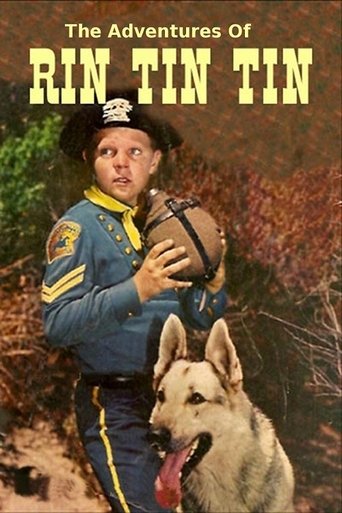
Thirty-nine titles are gathered for younger viewers and the grown-ups beside them, and the family guide introduces them. Catweazle, from 1970, is one of the most loved children's series Britain has made. A ragged wizard of the eleventh century, played by Geoffrey Bayldon, leaps into a pond to escape pursuit and surfaces nine hundred years later on a farm, where a boy hides him in a barn. Everything is magic to Catweazle: the light bulb is the sun in a bottle, and the telephone is the telling bone. The Tomorrow People, from 1973, follows a group of young people with special gifts who can travel from place to place in an instant. Here Come the Double Deckers has seven children with a clubhouse in an old London bus. ZZZap! is a comic come to life, and Danger Bay, a Canadian series of six seasons, follows a marine veterinarian and his two children at the Vancouver Aquarium. The Adventures of Rin Tin Tin, from 1954, pairs a boy and his German shepherd dog at a frontier fort.
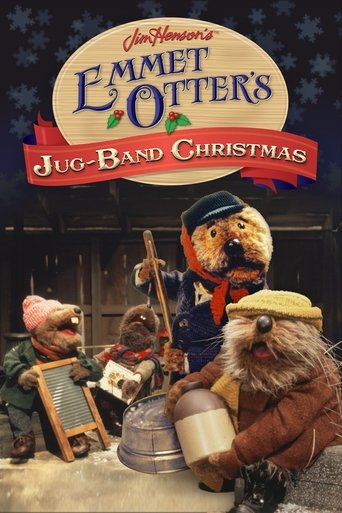
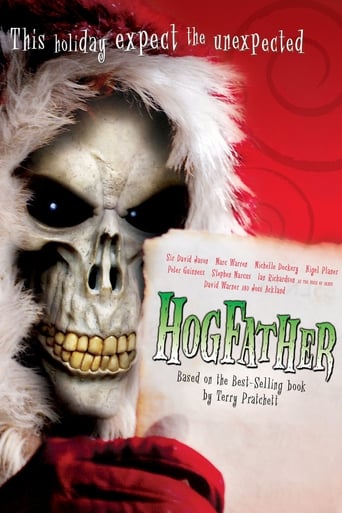
Jim Henson is represented three times. Emmet Otter's Jug-Band Christmas, from 1977, is his hour-long tale of a poor otter and his mother who each secretly enter a talent contest to buy the other a present, with songs by Paul Williams and river scenes of astonishing delicacy. John Denver and the Muppets: A Christmas Together is the 1979 special, and Muppet Classic Theater has the troupe performing six fairy tales. The Muppets at Walt Disney World sends them on holiday. Terry Pratchett's Hogfather, from 2006, is a Discworld fantasy for older children and adults, with David Jason and the young Michelle Dockery, and The Canterville Ghost is a 2021 version of Oscar Wilde's comic tale of an American family in an English country house.
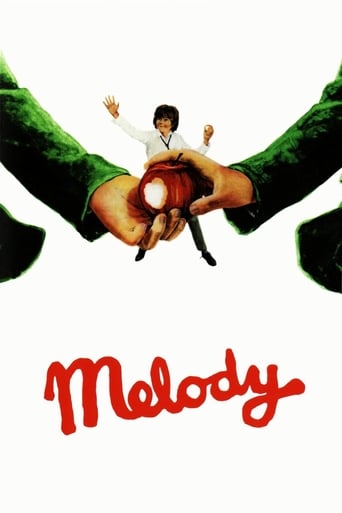
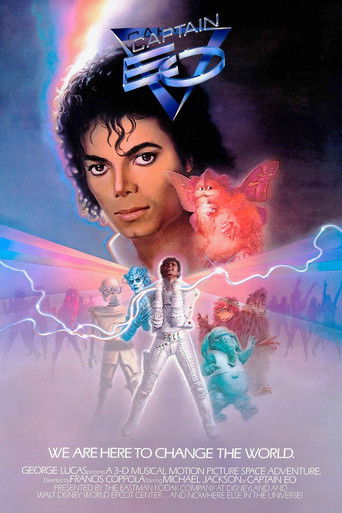
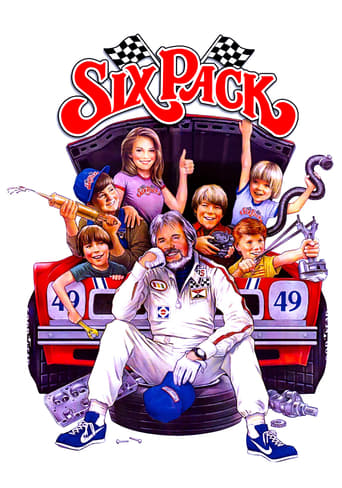
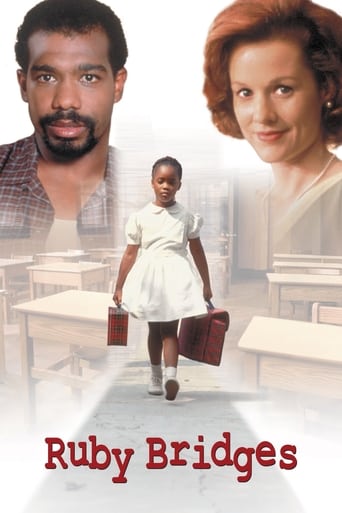
Among the family films, Melody, from 1971, written by Alan Parker, is a London school story in which two eleven-year-olds, played by Mark Lester and Tracy Hyde, announce that they intend to marry, to a soundtrack by the Bee Gees. Kidco, from 1984, is based on a true story of four children who built a thriving business. Ruby Bridges, from 1998, tells of the six-year-old who in 1960 became the first African American child at her New Orleans school, and of the teacher who taught her alone. Six Pack gives Kenny Rogers a racing car and six orphans for a pit crew, Kenny & Company spends an ordinary autumn with a twelve-year-old and his friends, and Captain EO is the seventeen-minute space musical that Francis Ford Coppola made with Michael Jackson for the Disney parks.
Films of the seventies
The films begin in 1970, and the comedy guide and the drama guide divide them. Walter Matthau, with his rumpled face and perfect timing, appears three times. In Kotch, from 1971, the only film Jack Lemmon ever directed, he plays a retired salesman of seventy-two who talks too much for his daughter-in-law's liking and sets off on his own; he was nominated for the Academy Award. In House Calls, from 1978, he is a newly widowed surgeon enjoying his freedom until he meets a patient, played by Glenda Jackson, who answers back. In Little Miss Marker, from 1980, from a Damon Runyon story, he is the gloomy bookmaker Sorrowful Jones, left in charge of a six-year-old.
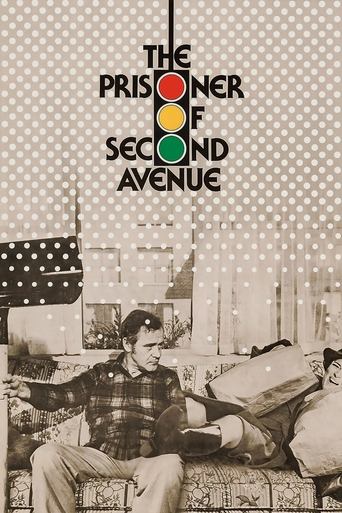
Lemmon himself stars in Neil Simon's The Prisoner of Second Avenue, from 1975, with Anne Bancroft, as a New Yorker undone by a heatwave, thin walls and the loss of his job, in a comedy that turns steadily warmer. Simon's own boyhood is the subject of Brighton Beach Memoirs, and his play Lost in Yonkers, which won the Pulitzer Prize, became a film in 1993 with Mercedes Ruehl and Richard Dreyfuss: two boys are left for a summer with their stern grandmother above her sweet shop.
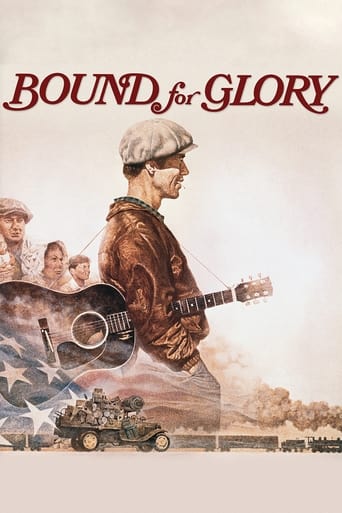
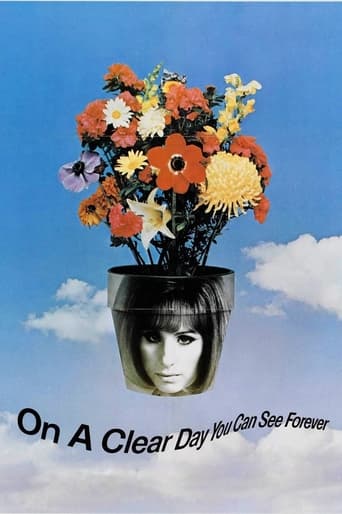
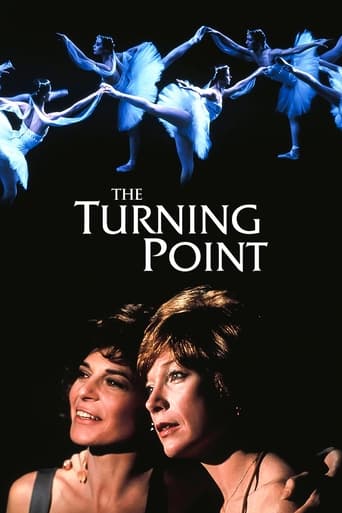
Hal Ashby's Bound for Glory, from 1976, is the story of the folk singer Woody Guthrie in the 1930s, travelling from the dust of Texas to California by road and freight train and finding his voice among the migrant workers. David Carradine plays him, and Haskell Wexler's photography, which won the Academy Award, includes the first use of the Steadicam in a feature. The Turning Point, from 1977, set in the world of ballet with Anne Bancroft, Shirley MacLaine and the young Mikhail Baryshnikov, received eleven Academy Award nominations. On a Clear Day You Can See Forever, from 1970, is Vincente Minnelli's musical with Barbra Streisand. A Warm December, directed by and starring Sidney Poitier, is a London love story, and Greased Lightning has Richard Pryor in a rare straight part as Wendell Scott, the first African American driver to win a race in stock-car racing's top division.
Films of the eighties
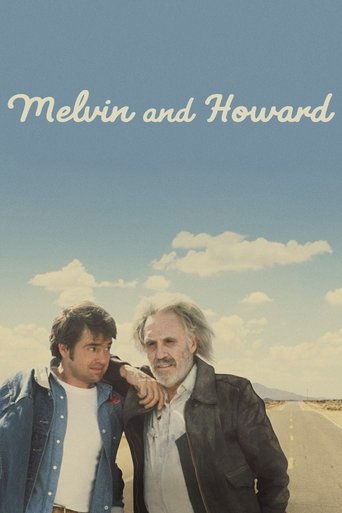
Jonathan Demme's Melvin and Howard, from 1980, begins with a milkman giving a lift to an injured old man in the Nevada desert who says he is Howard Hughes, and follows the milkman, Melvin Dummar, through game shows and gas stations to the day a will turns up. Mary Steenburgen won the Academy Award as his wife. Demme also made Who Am I This Time?, an hour-long gem from a Kurt Vonnegut story, with Christopher Walken as a shy clerk who comes alive only on the amateur stage and Susan Sarandon as the newcomer who works out how to reach him.
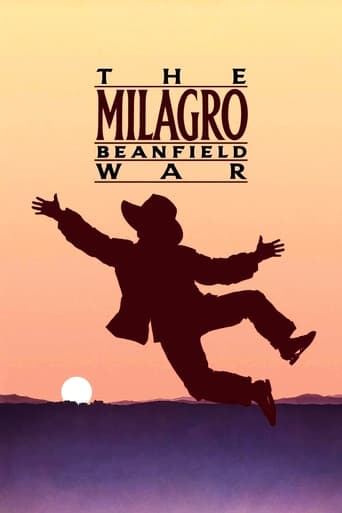
Bill Forsyth's American film Housekeeping, from 1987, adapted from Marilynne Robinson's novel, brings an eccentric aunt, played by Christine Lahti, to look after two orphaned sisters in a lakeside town in the 1950s; one sister longs to fit in and the other is drawn to her aunt's wandering ways. Robert Redford's The Milagro Beanfield War, from 1988, is a fable of a New Mexico village where one farmer waters his father's field and half the state takes sides. Sweet Dreams, from 1985, stars Jessica Lange as the country singer Patsy Cline, miming to Cline's own recordings. Champions, from 1984, tells the true story of the jockey Bob Champion, who came back from illness to win the Grand National on Aldaniti, with John Hurt.
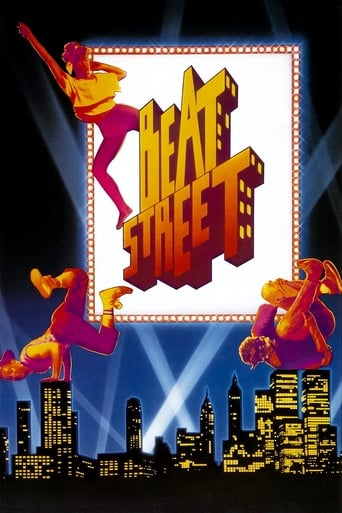
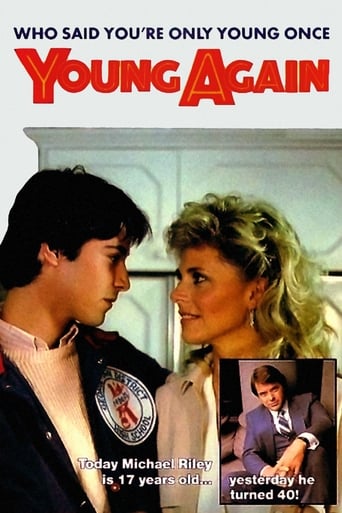
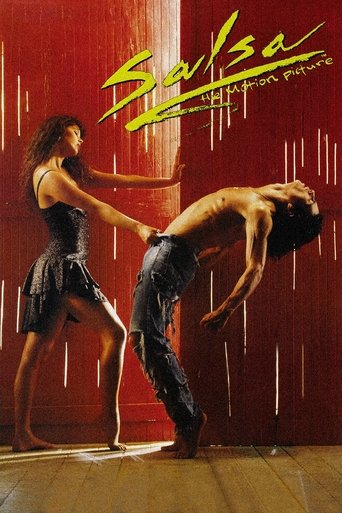
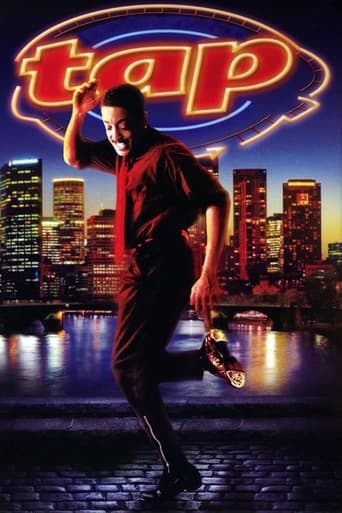
The decade's music films include Beat Street, from 1984, a celebration of the first years of hip-hop in the Bronx, with breakdancers, graffiti artists and DJs playing themselves; Salsa, with its dance contests; Tap, in which Gregory Hines shares the floor with Sammy Davis Jr. and a room of veteran tap masters; and The Compleat Al, the mock life story of the parodist Weird Al Yankovic. Stealing Home, from 1988, has a ballplayer remembering the babysitter, played by Jodie Foster, who shaped his youth. From New Zealand comes Goodbye Pork Pie, from 1981, a road comedy in a small yellow Mini driven the length of the country, and one of the films that launched that nation's cinema. P'tang, Yang, Kipperbang, written by Jack Rosenthal, is a tender comedy of a cricket-mad schoolboy in 1948, and Young Again gives a man of forty his seventeen-year-old self back.
Films of the nineties
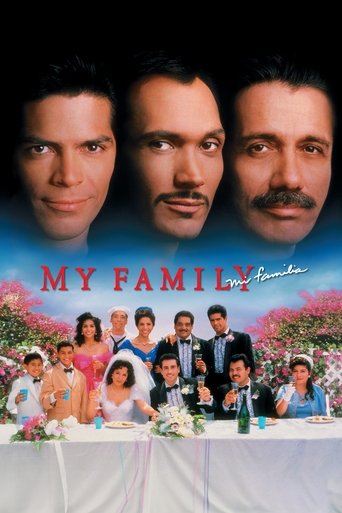
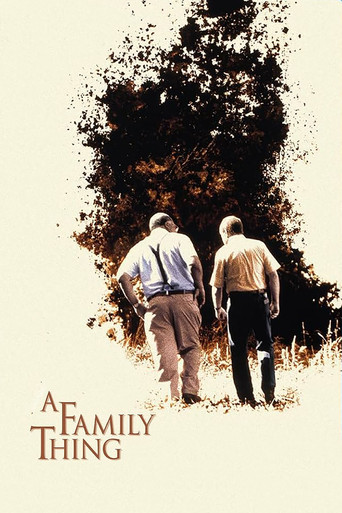
Gregory Nava's My Family, from 1995, follows three generations of a Mexican American family in East Los Angeles, from a grandfather's walk north in the 1920s to his grandchildren's lives in the 1980s, with Jimmy Smits, Edward James Olmos and Esai Morales; it is the highest-rated film on CinebyTV. A Family Thing, from 1996, co-written by Billy Bob Thornton, sends an Arkansas man, played by Robert Duvall, to Chicago to find the brother he has just learned of, a policeman played by James Earl Jones. The Spitfire Grill, which won the audience award at the Sundance festival, gives a small town in Maine a newcomer and an essay contest.
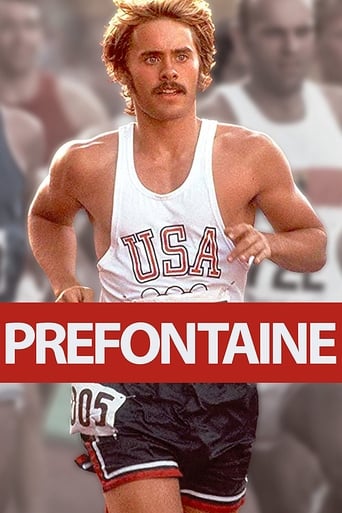
Prefontaine, from 1997, is the life of the American distance runner Steve Prefontaine, who held every national record from two thousand to ten thousand metres, with Jared Leto. Infinity, directed by and starring Matthew Broderick, is the love story of the young physicist Richard Feynman and his first wife, Arline. The Whole Wide World, from 1996, is drawn from a Texas schoolteacher's memoir of her friendship with Robert E. Howard, the writer who created Conan; Renée Zellweger and Vincent D'Onofrio are both excellent. François Girard's Thirty Two Short Films About Glenn Gould, from 1993, portrays the great Canadian pianist in thirty-two brief movements, some acted, some animated, some simply listening, and remains one of the most original film biographies.
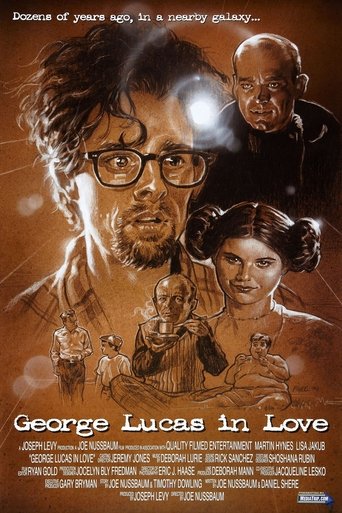
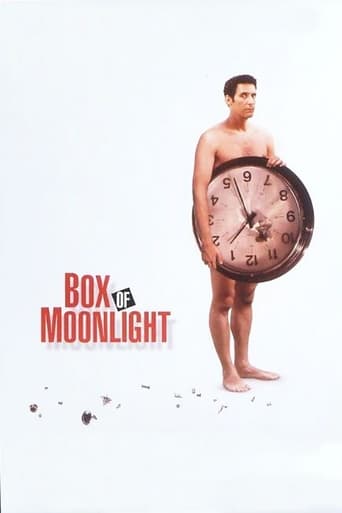
The comedies of the decade include Funny Bones, Peter Chelsom's film about the son of a famous comedian, played by Oliver Platt with Jerry Lewis as the father, who goes to Blackpool in search of an act and meets a genius of physical comedy; 29th Street, the true story of the first winner of the New York State lottery, a man lucky all his life, with Danny Aiello and Anthony LaPaglia; Coupe de Ville, in which three brothers drive their father's Cadillac from Detroit to Florida in 1963; Box of Moonlight, with John Turturro as an orderly engineer who takes a few days off the map and meets a free spirit played by Sam Rockwell; and The Late Shift, the inside story of who would take over the Tonight show. George Lucas in Love, eight minutes long, imagines a film student in 1967 finding inspiration all around him. Double Happiness, from Canada, gave Sandra Oh her first leading part as a young actress balancing her own hopes with her family's. Cold Fever sends a Tokyo businessman across wintry Iceland, and Tumbleweeds won Janet McTeer an Academy Award nomination as a mother forever moving on with her daughter.
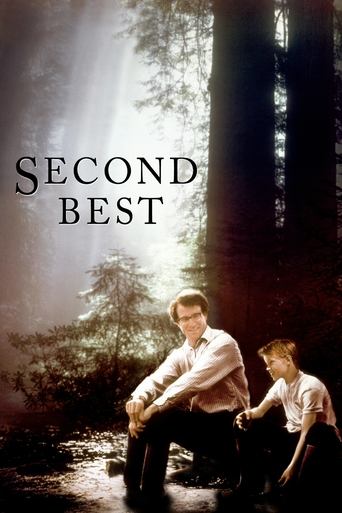
Two television films pair James Garner and Julie Andrews, the stars of The Americanization of Emily thirty-five years earlier: in One Special Night, from 1999, two strangers shelter from a snowstorm in a cabin on Thanksgiving. The romance guide lists it with The Love Letter, in which a man of today and a woman of the 1860s exchange letters through an antique desk; Roseanna's Grave, an Italian village comedy with Jean Reno and Mercedes Ruehl; That Night, a first love seen by the girl next door in 1961; and Second Best, in which William Hurt plays a shy Welsh postmaster hoping to adopt a son.
Music, dance and the stage
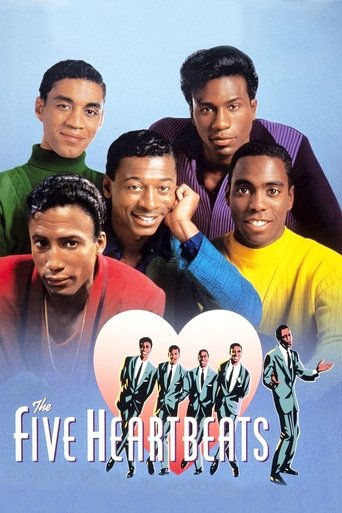
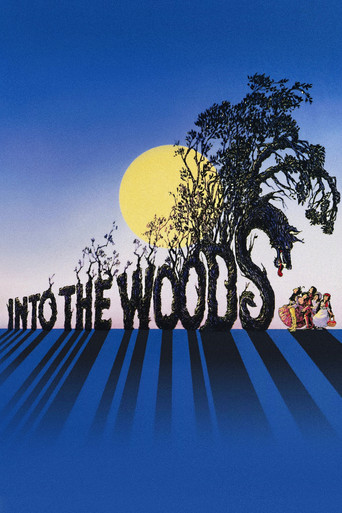
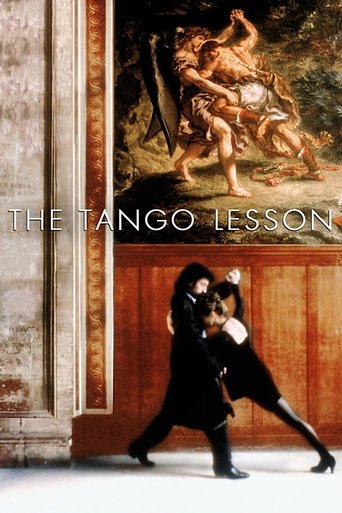
The music and dance guide covers twenty-one titles. Beside the films already named stand two recordings of Stephen Sondheim's musicals with their original Broadway casts. Sunday in the Park with George, recorded in 1986 with Mandy Patinkin and Bernadette Peters, shows the painter Georges Seurat assembling his great canvas figure by figure, and won the Pulitzer Prize for drama. Into the Woods, recorded in 1991, sends Cinderella, Jack, Little Red Riding Hood and a baker and his wife into the same forest and asks what happens after the wishes come true. The Five Heartbeats, Robert Townsend's 1991 film, follows a vocal group of the 1960s from talent nights to fame and back to friendship, and Sally Potter's The Tango Lesson is a film-maker's own story of learning the dance in Paris and Buenos Aires.
Christmas viewing
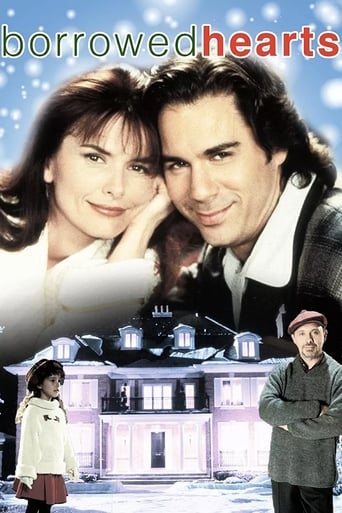
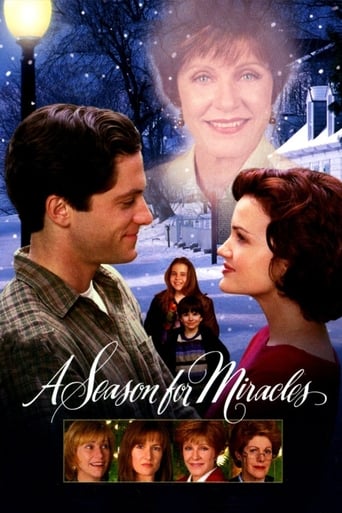
Nine titles suit December, and the Christmas guide lists them. For everyone there are the two Muppet specials and A Christmas Carol; for laughter, Blackadder's Christmas Carol and In the Bleak Midwinter; and for a quiet evening, the television romances A Season for Miracles, in which an aunt and two children find a home in a town called Bethlehem, The Christmas List, in which a department-store assistant's wishes begin to come true, and Borrowed Hearts, in which a businessman hires a family for the holidays.
Australia and Canada
Packed to the Rafters, from 2008, was Australia's most-watched drama for several years running: Dave and Julie Rafter are looking forward to an empty house on their twenty-fifth anniversary when, one after another, their three grown children and Julie's father move back in. It ran six seasons, warm, funny and true to ordinary life. Canada contributes Danger Bay, Double Happiness and the Glenn Gould film.
Faces and writers to follow
One pleasure of a catalogue like this is meeting the same people in different places. James Bolam appears in three series across twenty years: as Terry in The Likely Lads and its sequel, and as the jazz-loving teacher of The Beiderbecke Affair. Christine Lahti is the wandering aunt of Housekeeping and, seventeen years on, the professor and mother of Jack & Bobby. Bernadette Peters leads both Sondheim recordings. Julie Andrews is seen in Little Miss Marker and One Special Night, and Rowan Atkinson in four titles, from a full stage show to a sketch of a few minutes. Paula Marshall is the sceptical psychologist of Cupid and the sister of Out of Practice.
Writers leave an even clearer trail. Andrew Davies adapted four of the serials here: Middlemarch, Vanity Fair, He Knew He Was Right and South Riding. Neil Simon wrote three of the films. Nat Hiken created both The Phil Silvers Show and Car 54, Where Are You?. Dick Clement and Ian La Frenais, Carla Lane, John Sullivan, Kay Mellor and Alan Plater each gave British television a voice that is recognisable within a minute, and Steven Moffat's later fame began in the junior newsroom of Press Gang. Bill Forsyth directed two of the films, one on each side of the Atlantic, and Jonathan Demme two more.
Short films and specials
A few titles last well under an hour and fit the end of an evening. The Absent-Minded Waiter, from 1977, is seven minutes of Steve Martin as the most forgetful waiter in the city, with Buck Henry and Teri Garr as his patient customers; it was nominated for an Academy Award. The Plank runs under an hour, the two Mr. Bean sketches a few minutes each, and George Lucas in Love eight. Saved By the Bell: Wedding in Las Vegas is the feature-length farewell to the school comedy, and Jack the Bear, with Danny DeVito as a widowed father who hosts a late-night television show, is a full feature told through his twelve-year-old son's eyes. Among the hour-long specials, Emmet Otter's Jug-Band Christmas and Who Am I This Time? are small masterpieces, each complete in under sixty minutes.
These shorter pieces are useful in another way. A household new to older television can begin with twenty-five minutes of Butterflies or Bob, add a short film, and still have time to talk about what it has seen. The longer serials and the features will be waiting on the shelf when a free evening comes, and the lists make it simple to return to the same decade, the same writer or the same face.
Classic television and how series pages work
Thirty-four series were first shown before 1980, and the classic television guide arranges them by decade. Programmes of the fifties were often filmed in black and white before a studio audience, and their laughter is real. Some early series survive only in part: of Hancock's Half Hour, thirty-seven television episodes remain, and they are treasures. The Invisible Man, a British series of 1958, kept the identity of its leading actor a secret, since he is seen only as a suit of clothes and a bandaged head.
Every series page lists the seasons with the number of episodes in each, and the seasons guide explains how to read them. Sitcoms can be joined at any point, since each episode stands alone. Serials are best taken from the first part: Middlemarch has six, Our Mutual Friend four and The Forsyte Saga twenty-six. Long-running programmes reward sampling: try a late season of The Jack Benny Program beside an early one to see a style being perfected. The decades guide sets the whole catalogue out along a timeline.
Search, lists and My List
The search field in the header answers as you type and sets aside filler words such as watch, online and free, so a few letters of a title are enough. The finding titles page describes the search, the lists and the A to Z, which sets out all 160 titles in alphabetical order.
Sixteen lists divide the catalogue. Five follow the calendar: before 1970, the seventies, the eighties, the nineties, and 2000 onwards. Nine follow kind: comedy, drama, romance, family, sitcoms, period drama, classic television, British titles, and music and dance. Top rated holds the seventy-two titles that viewers have scored highest, and All titles holds everything. The menu also separates Films from Series, so that an evening with ninety minutes to spare and an evening with twenty-five can each find its match.
My List is your personal shelf. Each page carries an Add to My List button, and the yellow My List button in the header opens the chosen titles as a grid of posters. The shelf sits in your browser on your own device and is there when you come back, and the list page can export it to a file for another device. The My List page gives the steps, and the how to watch page explains the path from a title to a service.
A title page on CinebyTV is laid out for a quick decision: the still and poster first, then the year, running time or seasons, and genres, the story in a paragraph, the cast, and finally the country selector with its Watch now button. Fifteen countries are offered, and the choice is remembered for the next title.
A month with CinebyTV
A simple plan for four weeks shows the range. In the first, take the three titles of the first evening: Truly Madly Deeply, a few episodes of The Phil Silvers Show, and the opening of Press Gang. In the second, begin a serial, Middlemarch or Our Mutual Friend, one part each evening, with an episode of Butterflies or Whatever Happened to the Likely Lads? to follow. In the third, make it a film week: Bound for Glory, Melvin and Howard, A Private Function and My Family. In the fourth, gather everyone for Catweazle, Emmet Otter's Jug-Band Christmas and The Slipper and the Rose. After that the lists will carry you on, and there are fifteen seasons of Jack Benny in reserve.
Questions and answers
Questions
What is CinebyTV?
CinebyTV is a guide to 160 English-language films and series chosen for the whole household, each with its story, cast and a Watch now button to the official services that carry it.
Which title should I watch first?
Start with Truly Madly Deeply, The Phil Silvers Show or Press Gang. They introduce the films, the sitcoms and the family series of the catalogue.
How many films and how many series are there?
Eighty-five films made between 1970 and 1999, and seventy-five series first shown between 1950 and 2021.
Is the catalogue suitable for families?
Yes. Every title was read through by hand, and stand-up specials, crime series, horror and titles made strictly for adults were left out.
Which period dramas are included?
Twenty-three, among them Middlemarch, Vanity Fair, Our Mutual Friend, The Forsyte Saga, Elizabeth R and the first Poldark.
Do series pages show seasons and episodes?
Yes. Each series page lists its seasons and the number of episodes in each, from single serials to the fifteen seasons of The Jack Benny Program.
How does My List work?
Press Add to My List on any page. The list sits in your browser on your own device, and the list page can export it to a file.
Does CinebyTV host films or downloads?
CinebyTV is a guide only. Every Watch now button opens JustWatch, which lists the official streaming, rental and purchase services for your country.
